 EN
EN

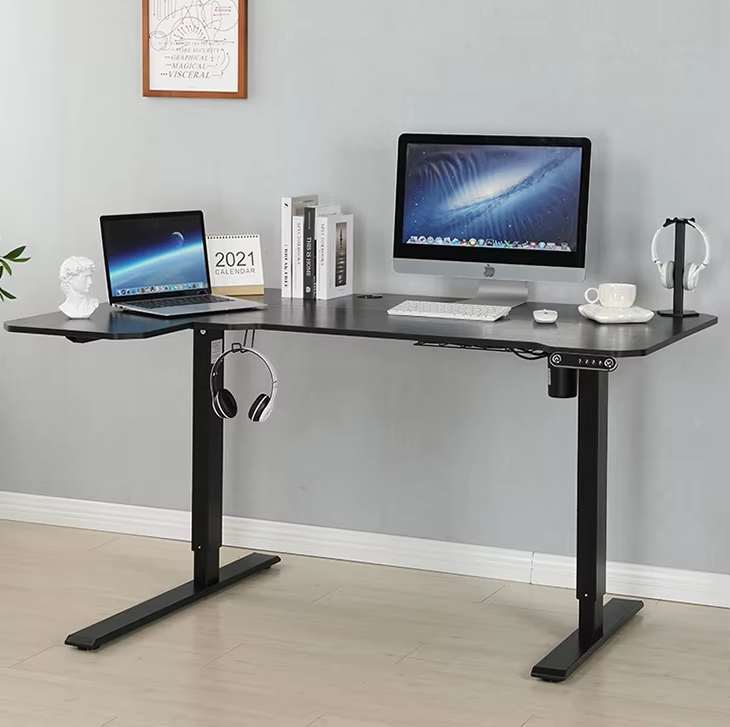
How Standing Desks Improve Posture Through Biomechanical Alignment
Reducing Spinal Compression and Supporting Neutral Spine Positioning
Sitting for long periods puts roughly 40% extra pressure on the lower back discs compared to when we stand up. This gradual compression can lead to poor posture over time, making people slouch and putting unnecessary strain on their back muscles. Adjustable desks help fight this problem by letting workers maintain a more natural spine position. When properly adjusted, these desks keep that important S-shaped curve in our spines and spread body weight more evenly throughout the vertebrae. Research from Applied Ergonomics suggests such setups can cut down disc compression anywhere between 25% to 35%, which is why organizations like ACOEM back them so strongly. Getting desk setup right matters too – keeping computer screens level with eyes and bending elbows around 90 degrees helps avoid neck pain. Standing occasionally throughout the day works those core muscles actively, providing better support for the spine instead of just leaning on chairs all day long.
| Posture Factor | Sitting Position | Standing Position |
|---|---|---|
| Lumbar Disc Pressure | 140–185 mm Hg | 100–110 mm Hg |
| Pelvic Tilt | Posterior Rotation (20–30°) | Neutral (0–5°) |
| Muscle Activation | Erector Spinae: Low | Erector Spinae: Moderate–High |
EMG and Kinematic Evidence: Thoracic-Lumbar Stability During Standing Work
When people use standing desks instead of sitting down all day, EMG readings actually show about 18 to 22 percent more activity in those muscles that stabilize the upper back area. This creates what researchers call a "corset effect" around the spine, which basically means better support for our entire back structure. Looking at how bodies move when standing versus sitting, there's something interesting happening too. Standing encourages constant small adjustments in where we put our weight, which cuts down on the pressure felt in lower back joints by roughly 30%. Plus, it keeps the natural curve in the middle part of the spine right around those ideal angles between 35 and 45 degrees. Studies using motion capture technology back up these findings, showing that this kind of active stability reduces stress on the discs between vertebrae and stops that annoying forward head tilt so many office workers develop over time. And here's another benefit worth noting: after six months of regularly using standing desks, employees reported 27% fewer instances of discomfort related to poor posture according to research from the Center for Injury Research and Policy at Nationwide Children's Hospital.
Standing Desks Boost Work Efficiency via Cognitive and Behavioral Gains
Enhanced Alertness, Sustained Attention, and Mitigation of Afternoon Fatigue
Standing desks actually do something about those terrible midday energy crashes because they boost blood flow to the brain and deliver more oxygen too around 15 percent higher than when we're just sitting there. These physiological changes seem to make people more alert and able to stay focused during times when our brains need extra power. People who switch back and forth between sitting and standing throughout their day tend to lose concentration about 30 percent less often than those stuck in one position all afternoon. That helps fight off that dreaded post lunch slump that everyone knows so well from experience. When standing up at work, our bodies engage small muscles constantly which keeps our nervous systems active on a low level, slowing down when mental tiredness hits. Plus, standing desks cut down on sitting around too much, which helps keep blood sugar levels more stable throughout the day. And let's face it nobody wants that 3 PM crash where suddenly nothing makes sense anymore. Employees using standing desks generally find themselves getting distracted less frequently and staying on task for longer periods without needing constant restarts.
Real-World Productivity Outcomes: Insights from Controlled Office Trials
Research shows that people who switch to standing desks tend to get things done faster. A recent 12 week study in the International Journal of Environmental Research and Public Health found some interesting results. Workers completed tasks about 23 percent quicker and made around 18 percent fewer mistakes when checking their work. The researchers think this happens because standing helps the brain process information better and cuts down on distractions caused by sitting discomfort. Another benefit worth mentioning is that workers took breaks less often. When they could stand instead of sit all day, they stayed focused longer without having to walk away because their back hurt or they felt tired. Across different office locations where companies tried out these desks, similar patterns emerged showing real improvements in daily productivity.
| Metric | Improvement | Observation Period |
|---|---|---|
| Task completion rate | +19% | 6-month trial |
| Focus-related interruptions | –27% | Quarterly review |
| Afternoon output quality | +22% | 90-day assessment |
These outcomes reflect how ergonomic flexibility supports both physiological resilience and operational performance across diverse professional settings.
Balancing Benefits and Risks: Avoiding Overuse and Ergonomic Pitfalls
Standing desks definitely help with posture and can boost productivity, but staying on one's feet all day isn't without problems either. People often experience lower back pain, tired legs, and uncomfortable pressure on the soles of their feet after extended periods standing still. According to recommendations from workplace safety experts and ergonomic specialists, it makes sense to switch between sitting and standing about every half hour. Research indicates that employees who stand most of their workday are nearly three times more likely to develop muscle and joint issues compared to those who alternate positions regularly. For best results, take short walking breaks throughout the day and consider using anti fatigue mats which have been shown in tests to cut down foot pressure by around a quarter. Make sure the desk is at the right height so elbows form about a 90 degree angle when typing, keeping wrists in a natural position rather than bent awkwardly. Mixing standing time with regular sitting intervals helps maintain good posture benefits without causing the kind of fatigue that leads to mistakes or reduced work quality later in the day.
Frequently Asked Questions
Do standing desks really improve posture?
Yes, standing desks help maintain a neutral spine position and reduce lumbar disc compression, improving posture over time.
How often should I switch between sitting and standing?
Experts recommend alternating every half hour between sitting and standing for optimal results.
Can standing desks increase workplace productivity?
Studies have shown that standing desks can boost task completion rates and reduce mistakes, enhancing overall productivity.
Are there any risks to using standing desks all day?
Standing for prolonged periods can cause lower back pain and muscle fatigue; it's important to switch positions and use anti-fatigue mats.