 EN
EN

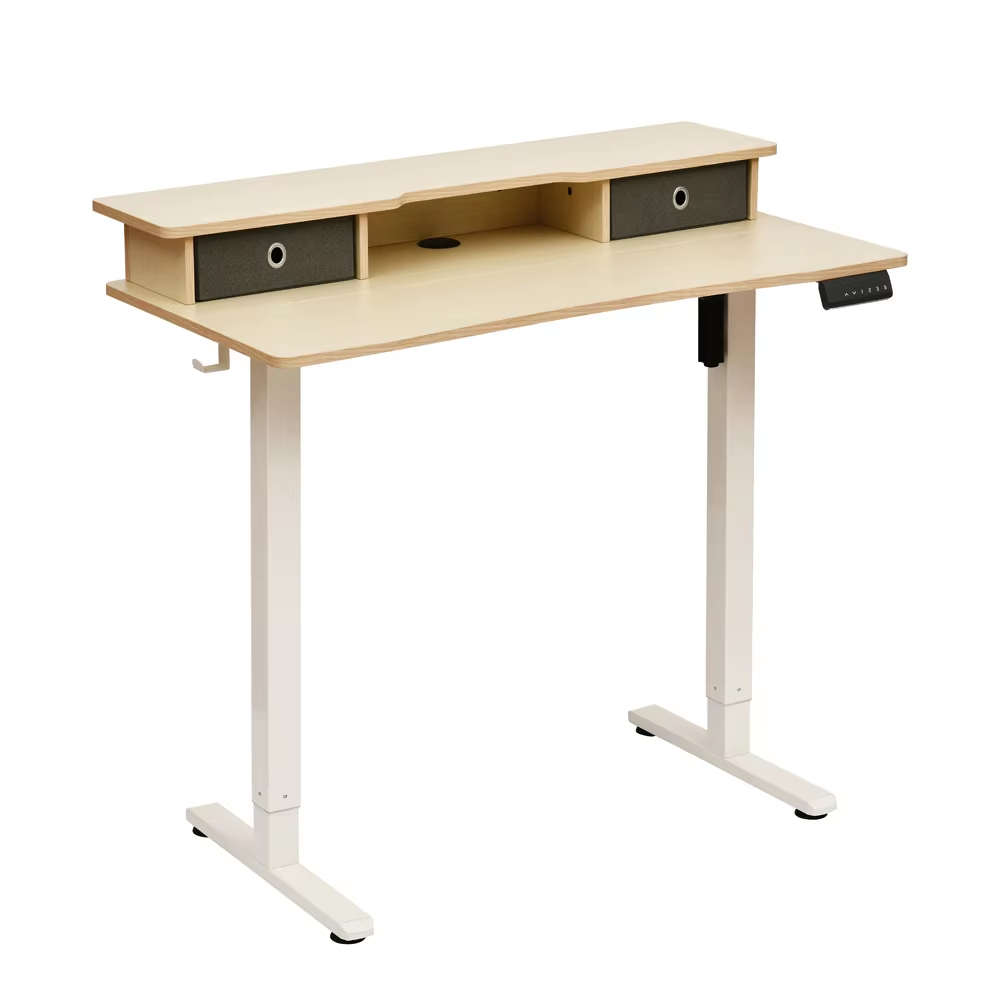
Improve Posture and Reduce Pain with Standing Desk Ergonomics
How ergonomic design promotes upright spinal alignment
Standing desks designed for ergonomics actually do wonders for keeping the spine aligned properly. When someone sits all day long, their back gets compressed, but standing desks position screens right where the eyes should be and let arms rest at around a 100 degree angle naturally. The result? Less pressure on the spine overall. Plus, this kind of setup makes it easier to keep good posture throughout the workday. Hands stay nicely positioned over keyboards without straining wrists too much. And there's definitely less tension across the whole upper body. Maintaining that natural curve in the spine helps stop problems like heads jutting forward or shoulders rounding inward something people who sit at regular desks tend to develop over time.
Standing desk setup for optimal spine, neck, and shoulder support
Getting proper support starts when we adjust our desks so that our elbows make about a right angle and the top part of the computer screen sits at eye level. Standing for long periods gets easier on the body thanks to anti fatigue mats that soften impact on the joints, plus having something underfoot lets us shift our weight around without putting too much stress on the lower back area. A good setup like this helps keep those shoulder muscles from tensing up and stops people from hunching forward or tilting their heads down which causes so much pain over time. Studies indicate these kinds of ergonomic adjustments might cut down neck and back problems by as much as half when compared with regular office chairs according to some recent findings published last year somewhere in an ergonomics journal.
Alleviating chronic back, neck, and shoulder pain through standing
Switching between sitting and standing during the workday can really help ease chronic pain because it takes some of the constant pressure off the spine. When people sit all day long instead, their discs experience much higher pressure levels. Studies from Spine Health Research in 2023 found that alternating positions cuts down disc pressure by around 32%. Most folks who try this method notice real changes after about eight weeks too. They often see their lower back pain drop by nearly half, while stiffness in the neck area goes down by almost 40%. Starting slow with standing breaks lets those important postural muscles actually do their job better. This breaks up the usual fatigue cycle that leads to ongoing aches and pains throughout the body.
Boost Work Efficiency and Productivity with Active Workstations
How standing desks enhance focus and daily productivity
Standing desks boost productivity by improving posture and sustaining mental engagement. Employees using standing workstations report a 45% increase in productivity compared to those in traditional seated environments. Reduced physical discomfort and enhanced blood circulation play key roles, supporting cognitive function and concentration over extended work periods.
Movement-based work and sustained cognitive engagement
Active workstations combat sedentary behavior without compromising job performance. Integrating low-intensity movement into office tasks has been shown to improve mental cognition while maintaining output levels. This dynamic approach prevents the mental fatigue associated with prolonged sitting, helping professionals stay alert and focused during long work sessions.
Long-term improvements in work performance and energy levels
People who regularly use standing desks tend to notice real improvements in their energy levels and how well they perform at work. Many employees say they no longer crash around mid-afternoon and get more done throughout the day. This translates into better results on projects and generally happier workers overall. The long term advantages are pretty clear, which is why so many companies are starting to invest in these kinds of workstations. For businesses that care about keeping staff healthy while also running operations smoothly, it's becoming hard to ignore what standing desks can offer.
Enhance Cognitive Function: Focus, Mood, and Mental Clarity
Standing and improved concentration: Evidence from workplace studies
Research indicates that standing desks can boost mental performance quite a bit. A recent study from Stanford in 2023 showed people working at standing stations had about 36% better concentration levels, probably because there's more blood and oxygen getting to the brain. Another experiment tracked reaction speeds and noticed they went down from around 540 milliseconds to just 470 when workers switched between sitting and standing positions throughout their day. This suggests something about how our brains process information when we're not completely still. Standing seems to engage those tiny muscles in our legs and feet which might actually help keep our minds alert compared to just sitting there doing nothing.
Mood enhancement and reduced mental fatigue during standing work
There's growing evidence that standing desks can actually boost our emotional health. A study conducted at Rensselaer Polytechnic Institute back in 2023 found workers reported feeling about 25% more alert and generally happier when using these desks. Even more impressive results came from researchers at Twente University who noted nearly a two-thirds reduction in depression symptoms among office staff after switching to active workstations. What makes this happen? Well, standing appears to reduce stress hormones like cortisol while triggering those feel-good endorphins naturally. This helps fight off the brain fog that sets in when we sit for hours on end. And once people start feeling better emotionally, their thinking sharpens too, setting off what many call a virtuous circle where clearer minds lead to stronger mental toughness throughout the workday.
Reduce Sedentary Behavior and Support Long-Term Physical Health
How standing desks lower risks associated with prolonged sitting
Sitting for long periods has been connected to some pretty serious health problems lately. Research from the American Heart Association back in 2023 found people who sit too much face about 125% more chances of heart issues and around 112% greater risk for type 2 diabetes. Standing desks help cut down on all this sitting time, potentially saving workers around 100 minutes each day at their desks. Getting upright during work hours actually helps blood flow better and boosts metabolism, which goes against many of the bad effects that come from being stuck behind a desk all day long. Companies are starting to notice this connection between posture and wellness, making standing options more common in office spaces across the country.
Cardiovascular and metabolic benefits of reduced sedentary time
Standing intermittently throughout the day actually helps boost both heart health and metabolism. Research from the CDC Workplace Health Study back in 2023 found that people who stand after meals see about a 43% drop in blood sugar spikes compared to those who stay seated. Plus standing gets the blood flowing better and works out those core muscles without even trying. When someone makes standing part of their routine over months or years, they tend to have nicer numbers on things like blood pressure and cholesterol levels. Folks who incorporate more standing into daily life generally end up with stronger cardiovascular stats than coworkers who sit all day long, which makes sense when thinking about how much damage prolonged sitting can do to our bodies over time.
Best Practices for Using a Standing Desk Effectively
To maximize the benefits of your standing desk, follow evidence-based practices that balance comfort, movement, and productivity. Alternating between sitting and standing is essential for sustained energy and musculoskeletal health.
Alternating Between Sitting and Standing for Sustained Energy
Changing position roughly every half hour to an hour helps keep blood flowing properly and prevents those annoying muscle knots that develop when we stay still too long. Most people find a balance between sitting and standing works best, maybe something like equal time for each or twice as much sitting as standing, but it really depends on what feels comfortable for the person. When standing, grabbing an anti-fatigue mat can make all the difference for tired joints. And no matter if someone prefers sitting or standing, keeping the computer screen level with the eyes while bending the elbows about ninety degrees creates better spinal alignment. This simple adjustment makes a big impact over time.
Ergonomic Transitions and Ideal Standing Desk Usage Duration
Start with short standing breaks around 20 to 30 minutes long, then slowly build up time as the body gets used to it. Most people find that getting about 2-4 hours standing throughout their 8 hour day works pretty well. Keep an eye on signals from the body such as sore feet or lower back pain, these are signs to tweak what's happening. When making changes between sitting and standing positions, take things step by step so the habit sticks over time. This approach leads to better mobility, less discomfort during the day, and generally feeling better overall after sticking with it for weeks or months.
FAQ Section
What are the benefits of using a standing desk?
Standing desks have numerous benefits including improved posture, reduced back and neck pain, increased productivity, better focus, elevated mood, minimized sedentary behavior, and support for long-term physical health.
How do I set up my standing desk for optimal ergonomics?
Adjust your standing desk so that your elbows are at a right angle and your computer screen is at eye level. Use an anti-fatigue mat to alleviate pressure on the joints, and ensure your arms rest naturally.
How long should I stand at my desk each day?
Start with standing breaks of 20 to 30 minutes and gradually increase to 2-4 hours of standing throughout an 8-hour workday. Alternate between sitting and standing to maintain comfort and avoid fatigue.
Can standing desks help reduce chronic pain?
Yes, standing desks can help alleviate chronic back, neck, and shoulder pain by reducing constant pressure on the spine and encouraging good posture.
Do standing desks actually boost productivity?
Yes, standing desks can enhance productivity by improving focus, sustaining mental engagement, and reducing physical discomfort, which allows for better concentration throughout work periods.
Table of Contents
- Improve Posture and Reduce Pain with Standing Desk Ergonomics
- Boost Work Efficiency and Productivity with Active Workstations
- Enhance Cognitive Function: Focus, Mood, and Mental Clarity
- Reduce Sedentary Behavior and Support Long-Term Physical Health
-
Best Practices for Using a Standing Desk Effectively
- Alternating Between Sitting and Standing for Sustained Energy
- Ergonomic Transitions and Ideal Standing Desk Usage Duration
- FAQ Section
- What are the benefits of using a standing desk?
- How do I set up my standing desk for optimal ergonomics?
- How long should I stand at my desk each day?
- Can standing desks help reduce chronic pain?
- Do standing desks actually boost productivity?