 EN
EN

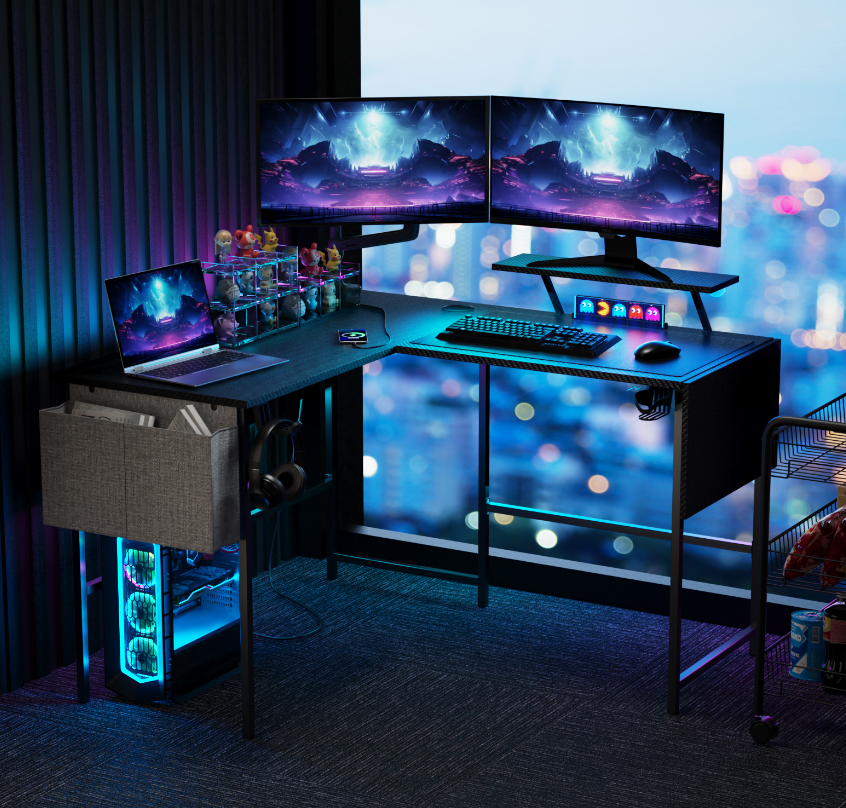
Key Factors to Consider When Buying a Gaming Table
What to look for when buying a gaming table: A buyer’s checklist
Start by evaluating your space constraints and primary gaming needs. A 2023 buyer survey found that 68% of users prioritized multi-game compatibility over single-use designs. Key considerations include:
- Room dimensions: Ensure at least 3 feet of clearance around the table for comfortable movement
- Game variety: Opt for tables supporting 4+ activities like poker, board games, or air hockey
- Build quality: Dense hardwoods and metal-reinforced joints outperform MDF in long-term durability studies
- Adjustability: Motorized height settings accommodate wheelchair users and standing players
Balancing budget and quality in gaming table selection
Mid-range tables ($800–$1,500) often deliver the best value, combining commercial-grade materials with residential pricing. While vinyl-wrapped MDF surfaces cost 40% less than solid wood, they show wear 3x faster according to furniture longevity research. Prioritize powder-coated steel legs over plastic-adjustable feet for stability in high-traffic environments.
How features impact long-term satisfaction and use
Integrated USB ports and cup holders reduce clutter during 4+ hour gaming sessions. Tables with removable playing surfaces see 72% higher utilization rates than fixed-top models, as noted in a 2024 home entertainment report. Leg levelers prove critical for maintaining tournament-level flatness on uneven floors.
Primary considerations for B2B and commercial buyers
Business customers really need to look at furniture built to ANSI/BIFMA standards with fire retardant features. These items last about two to three years longer than what's typically found in homes. When it comes to people buying for their own place, going modular makes sense. Furniture with hidden storage compartments or tables that can become workspaces when needed saves tons of space in apartments or small houses where every square foot counts. Companies are definitely moving toward more neutral colors lately. About four out of five businesses ordered stuff in beige, gray, or white tones last year because these shades just seem to work better across different office environments without clashing with existing decor.
Versatility and Game Compatibility in Multi-Functional Gaming Tables
Poker, air hockey, ping pong, and more: Versatility in one gaming table
Today's gaming tables bring together poker, air hockey, ping pong and several other game surfaces all in one piece of furniture. These multifunctional designs cut down on having multiple tables around, which can save something like 70% of floor space when compared to buying each table separately according to Funattic in their 2023 report. Top quality models feature reversible tops or cleverly designed play areas that let users switch from one game to another within about 30 seconds flat. That makes these tables really good choices for smaller homes or event spaces where room is at a premium. Take a look at some of the premium options available these days, they frequently come equipped with lockable storage compartments specifically made for holding game accessories such as paddles, pucks and even poker chips so everything stays organized and secure.
Multi-game vs stand-alone tables: Pros and cons comparison
Multi-game tables offer cost-efficiency (average $800–$2,500) compared to buying three separate tables ($3,000+ combined). However, dedicated ping pong or air hockey tables typically provide superior bounce consistency and airflow systems. A 2023 survey found 68% of casual gamers prioritize versatility over competition-grade performance, while esports venues still prefer specialized equipment.
Interchangeable tops and modular designs for game variety
Top brands in the industry are now making their products with CNC milled MDF or tempered glass panels that just snap together no tools needed at all. The modular design opens up endless possibilities for customization. Want something special? Mix a rich mahogany poker table top with those cool interchangeable air hockey rails on the sides, or go all out with those fancy LED lit corners for ping pong action. For businesses looking to host multiple games throughout an event, commercial versions come equipped with these handy quick release clamps that make switching between different game setups a breeze instead of a hassle.
Maximizing entertainment value with a single gaming table
Families report 40% more weekly gameplay hours when using multi-game tables versus single-use models (Home Recreation Institute 2024). Built-in storage drawers for cards, dice, and paddles keep accessories organized, while hidden USB ports enable device charging during tournaments. Dual-height adjustments (28″–32″) accommodate both seated board games and standing air hockey matches.
Material Quality and Durability: Building a Long-Lasting Gaming Table
Materials Used in Construction: Wood, MDF, Metal, and Composites
The best gaming tables depend on picking materials that stand up to regular play without compromising performance. Traditional woods such as oak and mahogany still look great and last forever, though they can be pricey. For places where humidity is a problem, many manufacturers turn to high density MDF instead since it doesn't warp as easily. When talking about frame construction, metal remains king, especially when it's coated with powder finish steel. These frames hold up much better in busy bars and casinos where tables get constant use. Newer composite materials made from polyethylene mixtures are becoming popular too because they don't show scratches so badly and aren't too heavy to move around. According to research published last year, tables built with old fashioned mortise and tenon joints had about 30 percent less problems after five years than ones held together with screws. That makes sense when thinking about how joints actually work versus relying on fasteners alone.
Durability and Long-Term Use: Resistance to Wear, Spills, and Heavy Use
Commercial-grade tables withstand 500+ lbs of force through reinforced corners and waterproof laminates. Polyurethane-coated surfaces prevent drink spills from warping the playing area, while automotive-grade edge banding reduces chipping during intense gameplay sessions.
Weight Capacity and Stability Under Frequent Gameplay
Look for tables supporting 300–800 lbs, with cross-braced legs and rubberized foot pads. Angled leg designs improve stability by 22% compared to straight legs, according to ergonomic stress tests.
Balancing Stylish Design With Structural Integrity
Modern laser-cut veneers maintain aesthetics without compromising core strength. Hidden steel supports embedded in table aprons allow sleek profiles while doubling load capacity.
Commercial-Grade Durability for B2B Environments
Arcade-grade models feature 14-gauge steel leg assemblies and anti-tip brackets, with industry surveys showing 90% fewer repairs needed over 3 years compared to residential tables.
Ergonomic Design and Practical User-Centric Features
Adjustable Height and Motorized Features for Personalized Comfort
Modern gaming tables incorporate motorized height adjustments, enabling seamless transitions between seated board games and standing arcade-style play. These systems support personalized configurations while maintaining structural stability—a critical feature for tournament-quality equipment used across multi-hour gaming sessions.
Ergonomic Design Principles in Modern Gaming Tables
Research confirms that ergonomic alignment reduces physical strain by 34% during prolonged use. Angled playing surfaces maintain neutral wrist positions, while sightline-optimized rails and strategic forearm supports follow biomechanical guidelines to prevent fatigue—essential for both casual and competitive play.
Leg Levelers for Flat Playing Surface on Uneven Floors
Commercial-grade tables feature micro-adjustable leg levelers that compensate for floor inclines up to 2.3°, ensuring consistent ball rolls and dice trajectories. This engineering precision prevents gameplay distortions in basement game rooms or carpeted event spaces.
Cup Holders, Storage Options, and Accessibility During Gameplay
Radially placed thermal cup holders prevent condensation damage to tabletops, while hidden drawers beneath playing surfaces store decks, chips, and VR headsets. This perimeter-focused layout keeps essentials within arm’s reach without disrupting gameplay sightlines.
Cable Management Solutions for Tech-Integrated Gaming Tables
Concealed cable channels with magnetic docking ports organize 12+ connections for LED lighting, charging stations, and USB hubs. This design eliminates tripping hazards while enabling straightforward tech upgrades—a must for hybrid tables supporting both analog and digital gaming.
Size, Shape, and Space Efficiency for Any Environment
Fitting a Gaming Table into Small or Multi-Use Rooms
Gaming tables these days come packed with clever space saving tricks such as fold away legs and built in storage compartments that make them fit into small spaces around 150 square feet or less. According to some recent research from PALM Projects looking at how people use space in 2025, about two thirds of city dwellers actually prefer game tables shorter than six feet long but still big enough to play all the regular games properly. Some models feature sliding trays for cards and chips plus designs where parts nest together so they take up roughly 40 percent less room when stored away. This matters a lot since most apartments in big cities today barely hit 750 square feet total living area.
Round vs Rectangular Gaming Tables: Impact on Gameplay and Room Flow
Most commercial venues go for rectangular gaming tables these days, with about 7 out of 10 establishments using them because they work so well for card games and seat more people comfortably. The round ones do have their advantages though. Studies on how people interact at tables show circles can boost conversation visibility by roughly 35%, but there's a catch they take up about 18% more room than rectangles. That's why we're seeing newer oval shaped tables hitting the market lately. These hybrids measure somewhere between 48 and 54 inches wide and seem to hit the sweet spot. They give almost all the benefits of traditional rectangular tables while saving around 20% of the floor space, which makes them pretty attractive for places that need flexibility in their layout.
Customization Options for Unique Residential or Commercial Layouts
Gaming tables designed in modular formats come equipped with swap-out rail systems and surfaces that can be expanded or contracted to fit pretty much any odd space, even those tiny rooms measuring around 10 by 12 feet. Business owners who have tried these setups often mention being really happy with how they work, with many reporting satisfaction levels somewhere close to 8 out of 10 when using the custom packages that let them switch between poker games, craps tables, and buffet arrangements on demand. Home users get their perks too since most companies now include adjustable legs that can handle floor unevenness within about two inches up or down. Plus there's typically a generous 45 day trial period where customers can experiment with different layouts while getting help from designers at no extra charge during this testing phase.
Frequently Asked Questions
What factors should I consider when choosing a gaming table?
Consider space constraints, game variety, build quality, and adjustability for different user needs.
What is the ideal cost range for a quality gaming table?
Mid-range tables between $800 and $1,500 offer the best balance of cost and quality.
Why choose a multi-game table over separate tables?
Multi-game tables are cost-efficient and save space, though single-use tables may offer better performance for specific games.
Are modular gaming tables better for small spaces?
Yes, modular tables offer flexibility and save space, making them ideal for small or multi-use rooms.
What materials are best for durability in a gaming table?
Dense hardwoods, MDF with metal reinforcements, or composite materials provide good durability.
Table of Contents
- Key Factors to Consider When Buying a Gaming Table
- Versatility and Game Compatibility in Multi-Functional Gaming Tables
- Material Quality and Durability: Building a Long-Lasting Gaming Table
- Ergonomic Design and Practical User-Centric Features
- Size, Shape, and Space Efficiency for Any Environment
- Frequently Asked Questions