 EN
EN

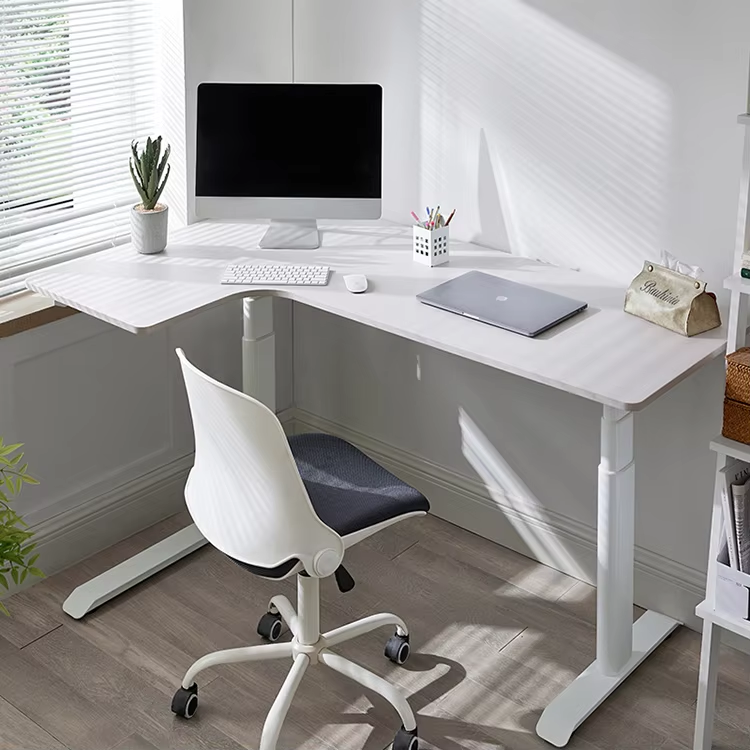
Dynamic Adjustability: The Core Mechanism Reshaping Ergonomic Design
How motorized height adjustment enables real-time, user-specific anthropometric alignment
Motorized electric desks are changing how we think about workplace comfort because they let people adjust their work surface instantly without dealing with those old fashioned crank mechanisms or settling for uncomfortable positions. Just one button press gets the desk at the right height for each person's body type. When sitting down, elbows should form around a right angle, and when standing up, the screen needs to sit roughly where the eyes naturally look. These adjustable desks actually work for almost everyone from shorter individuals to taller ones too, so nobody has to twist themselves into strange shapes just to get comfortable. Regular office furniture tends to cause back problems over time since people end up hunched over or straining their shoulders. The ability to move freely between sitting and standing positions helps maintain better posture naturally throughout the day. Studies have shown that keeping things aligned properly can cut down on pressure in the lower back discs by about a third while working at a desk, which goes a long way toward preventing those nagging backaches so many office workers suffer from.
Contrasting static vs. adaptive workstations: Why one-size-fits-all ergonomics fails diverse teams
Most people find static workstations don't fit them right at all. Studies by the U.S. Army Research Institute and ISO 11226 show around 80% of workers experience some kind of mismatch. When desks stay at one height, shorter folks end up hunching their shoulders while taller colleagues slump forward, which can lead to all sorts of aches and pains over time. This problem gets even worse in offices where people share spaces or work remotely part time. Adjustable electric desks fix this issue with memory settings that remember different user preferences. Instead of forcing everyone to conform, these desks actually accommodate different body types. A recent study in Applied Ergonomics found teams with adjustable desks had almost half as many back and neck problems compared to those stuck at fixed heights. What's interesting is how these desks help neurodivergent staff members too. Many need to shift positions constantly to stay focused and manage sensory input. So electric desks aren't just about comfort anymore they're becoming essential for creating workplaces that truly work for everyone.
Proven Health and Performance Benefits of Sit-Stand Transitions
Reducing musculoskeletal strain: Evidence from RCTs on lumbar pressure, circulation, and fatigue
Research shows that moving between sitting and standing throughout the day can actually cut down on physical stress and boost how our bodies function. A study from 2024 in the International Journal of Ergonomics looked at this closely. When people switched positions roughly every half hour to forty five minutes, they saw about a third less pressure on their lower back discs compared to those who sat all day long. Plus, blood was flowing better through their legs too, around 18 percent faster. This meant fewer complaints about swollen legs and tiredness later in the workday for office staff. After just two months, nearly two thirds of workers with height adjustable desks said their neck and shoulder pain had gotten noticeably better. Meanwhile, folks in the control group didn't really see any changes worth mentioning. What's interesting is that these improvements go beyond simple comfort issues. They point to actual changes in how blood moves through the body and how weight is distributed across the spine during daily activities.
Behavioral adoption: How micro-transition protocols (e.g., 30:30 rule) improve compliance and outcomes
Sustained benefit depends less on hardware alone and more on consistent, structured use. The evidence-backed 30:30 protocol—30 minutes seated followed by 30 minutes standing—increases adherence to 78%, far exceeding unstructured or ad-hoc approaches. This rhythm delivers measurable performance and wellness outcomes:
- 27% reduction in afternoon productivity dips
- 19% improvement in task-switching accuracy
- 41% higher long-term usage sustainability
Users following protocol-driven transitions average 14% more daily position changes—directly correlating with sustained circulatory benefits and a 22% annual reduction in self-reported musculoskeletal discomfort. Crucially, these gains emerge not from maximal standing time, but from rhythmic variation: the body thrives on movement diversity, not endurance.
Strategic Impact on Physical Workspace Configuration Across Environments
Corporate, remote, and hybrid settings: Adapting desk-centric layouts for flexibility and inclusivity
Electric desks are becoming central to modern workspace planning because they let setups change based on what kind of work people need to do, how big teams are, and personal preferences. Many companies have moved away from those old fixed desk arrangements to something more flexible. Think about collaborative areas that can switch from meeting spaces for ideas to quiet spots for focused tasks all day long without anyone needing to move chairs or tables around. Hybrid workers especially benefit since they can recreate their ideal home office environment at work. This cuts down on the hassle when new staff join by about half and stops that annoying feeling of discomfort switching between different workspaces. What makes these desks really valuable though goes beyond convenience. When workplaces focus on adjusting to individuals instead of forcing everyone to fit into one-size-fits-all spaces, it opens doors for folks who might otherwise struggle with standard desk heights, movement limitations, or specific sensory requirements. We're talking about creating work environments where everyone can function well right out of the box rather than having to retrofit accommodations later.
Critical ecosystem integration: Why monitor arms, task lighting, and flooring must align with electric desk functionality
The real health boost from an electric desk only comes when everything works together in harmony. Monitor arms need good range of motion vertically and tilting so eyes stay at comfortable level no matter what height someone stands or sits. Studies in Ergonomics back this up showing neck strain jumps about 60% higher when screens aren't properly aligned while standing. For task lighting, dimmable options with adjustable direction make sense. Even better if they have smart features that change brightness and focus automatically as the desk moves up or down. Flooring might seem minor but it matters a lot too. Anti-fatigue mats can ease foot pressure by around 30% during those long standing sessions at work. Just remember these mats need to work well with desk wheels and have non-slip bottoms for safety reasons. When all these parts actually work as one system instead of random additions, people spend way less time fiddling with adjustments (around 78% less according to some research) and get more out of their desks overall. The desk becomes something that supports natural movement patterns rather than fighting against them during regular work hours.
Frequently Asked Questions (FAQ)
Why are motorized height adjustable desks important for ergonomics?
Motorized height adjustable desks allow users to instantly position the work surface at the optimal height, promoting better posture and reducing strain on the body. This is especially beneficial for maintaining alignment and comfort throughout the day.
What are the health benefits of sit-stand transitions?
Sit-stand transitions help reduce musculoskeletal strain, improve circulation, and decrease fatigue. They encourage movement diversity, which is better for overall health than extended periods of sitting or standing.
How do electric desks improve workplace inclusivity?
Electric desks accommodate a variety of body types and working styles, making workplaces more inclusive for people with different physical and sensory needs. This is especially important for neurodivergent individuals and those with specific ergonomic requirements.
What is the 30:30 protocol?
The 30:30 protocol suggests alternating between sitting and standing every 30 minutes. This structured approach enhances adherence to movement and maximizes the health and productivity benefits of adjustable desks.