 EN
EN

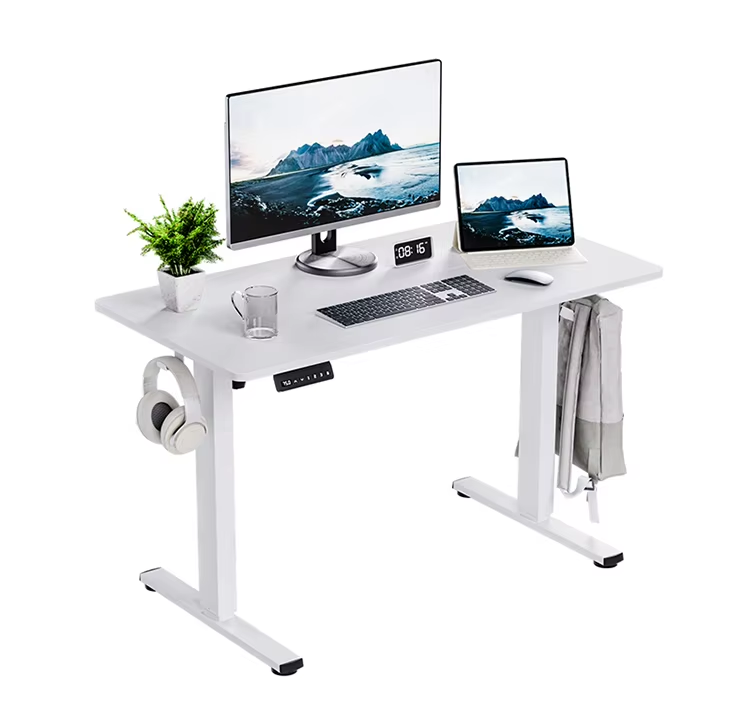
Health Risks of Prolonged Sitting—and How Standing Desks Mitigate Them
Link between sedentary behavior and chronic conditions (cardiovascular disease, type 2 diabetes, all-cause mortality)
Spending long periods sitting down has been shown time and again to increase the chances of getting chronic diseases. People who spend eight hours or more each day seated have about 90 percent more risk of heart problems and nearly double the chance (that's 112%) of developing type 2 diabetes when compared to folks who aren't so sedentary according to research from the Ponemon Institute back in 2023. The bad news doesn't stop there either. Sitting around too much actually raises the overall death rate by 24%. What makes this happen? Basically, our bodies start slowing down their metabolism when we're inactive for too long. Sitting still means fewer calories get burned off, causes issues with how our body handles sugar, and messes up fat processing. When muscles aren't working properly, something called lipoprotein lipase gets knocked out of commission by almost 90%. This enzyme plays a big role in helping cells take in glucose, so when it stops functioning right, inflammation builds up throughout the body, eventually harming blood vessels over time.
Clinical evidence: Metabolic and cardiovascular improvements with regular standing desk use
Clinical trials demonstrate that consistent, structured use of standing desks meaningfully reverses key metabolic deficits linked to sitting. In a 6-month workplace intervention where participants alternated sitting and standing every 30 minutes, researchers observed:
| Metric | Improvement | Duration |
|---|---|---|
| Post-meal glucose response | 34% lower | 3 months |
| Triglyceride levels | 11% reduction | Ongoing |
| HDL cholesterol | 0.25 mmol/L increase | 6 months |
People who took part in the study saw about 15 percent increase in their resting energy expenditure and had more stable readings for both systolic and diastolic blood pressure. What's happening here? When we stand instead of sit, our muscles stay active at a low level throughout the day. This small but constant activity actually raises metabolism by around 0.7 kcal per minute compared to when we're seated. As an added benefit, this helps improve how sensitive the body is to insulin, which means blood sugar levels don't spike so dramatically after meals. Lunchtime tests showed a roughly 46% reduction in those glucose spikes among participants. Better blood flow from all this standing also works wonders for stiff blood vessels, something doctors know can lead to high blood pressure down the road.
Standing Desks Boost Focus, Energy, and Sustained Productivity
Cognitive benefits: Enhanced concentration and reduced afternoon fatigue in knowledge workers
Standing desks seem to boost brain power because they help blood flow better to the head and cut down on mental tiredness. People who work at computers find that when they can switch between sitting and standing, their focus stays stronger for longer periods. Studies show these desk users report about 33% better concentration than colleagues stuck in chairs all day, especially around that slump time after lunch when most folks start feeling sleepy. According to various workplace surveys, there's roughly a 45% drop in how often people feel exhausted throughout the day. This happens partly because standing gets more oxygen flowing through the body and activates parts of the brain responsible for staying alert and making decisions. Simply changing positions from sitting to standing engages our body's natural regulatory systems, which keeps minds sharp without needing coffee or other energy drinks to stay awake.
Real-world productivity metrics: Task completion rates and error reduction in hybrid teams
Empirical data from hybrid workplaces confirms tangible operational gains from posture flexibility. Teams integrating sit-stand desks show:
- 46% higher task completion rates among members alternating positions
- 23% fewer procedural errors on complex, multi-step assignments
- 30% less unproductive break time, as sustained energy supports continuous engagement
These outcomes reflect reduced physical distraction—less discomfort means fewer posture-related micro-interruptions—and improved cognitive stamina. In distributed settings where self-management is critical, ergonomic autonomy directly supports consistent output quality and workflow continuity.
Ergonomic Advantages: Posture, Pain Relief, and Movement Integration
Alleviating chronic back and neck pain through dynamic sit-stand transitions
Sitting still for long periods puts extra pressure on the lower back discs while making the upper traps and suboccipital muscles work too hard these muscles are often behind ongoing back and neck discomfort. Switching between sitting and standing at least once every half hour helps spread out the physical strain and gives the spine a chance to rest. According to recent research from the Occupational Health Journal (2023), people who do this kind of movement throughout their day experience about 54% fewer instances of lower back pain. The relief seems connected to several factors including less constant pressure on the body, better circulation around the area, and subtle activation of those deeper core muscles whether someone is standing or sitting down.
Biomechanical benefits of 30–60 minutes daily standing for spinal alignment and muscle activation
Daily standing intervals of 30–60 minutes activate underused postural musculature essential for spinal health. This upright loading:
- Decompresses intervertebral discs by up to 45% relative to prolonged sitting
- Recruits transverse abdominis and multifidus—critical stabilizers of lumbar-pelvic alignment
- Enhances proprioceptive feedback, reinforcing neutral spine positioning through neuromuscular learning
Over time, this builds resilience against gravitational fatigue and slows degenerative disc changes. When integrated via a height-adjustable desk, these brief, frequent standing sessions serve as micro-recovery opportunities that cumulatively strengthen postural endurance.
Supporting Mental Well-Being and Workplace Culture
When companies bring in standing desks, it shows they really care about their workers overall health and happiness. Studies from Ergonomics & Human Factors Review back this up, showing around a 27% drop in mental tiredness plus better feelings about what employers do for them. People who can choose how they sit or stand tend to be happier at work and feel less stressed out too. Taking short breaks to move around helps break up those brain fog moments and sets a good example for others on the team. The culture shift matters because when folks have these options, they're about 34% more apt to join wellness programs with coworkers, which creates a nice loop where being comfortable physically makes everyone more open to working together. And let's not forget the bigger picture stuff either. Workplaces that offer ergonomic choices see teams bounce back faster during crunch time projects, roughly 19% improvement according to research. That probably happens because sitting still all day just wears people down mentally and physically over time.
FAQ Section
What chronic illnesses are linked to prolonged sitting?
Prolonged sitting is linked to an increased risk of cardiovascular diseases, type 2 diabetes, and even all-cause mortality.
How do standing desks help improve metabolic health?
Standing desks promote regular low-level muscle activity, increasing metabolism and enhancing insulin sensitivity, which helps maintain stable blood sugar levels.
Can standing desks really boost productivity?
Yes, standing desks help maintain concentration, reduce fatigue, and are associated with higher task completion rates and fewer errors in the workplace.
How do standing desks alleviate back and neck pain?
By promoting dynamic movement and reducing constant sitting pressure, standing desks help in distributing the strain on muscles and spine, providing relief from chronic pain.
What are the overall benefits of standing desks in the workplace?
Standing desks contribute to better physical health, cognitive function, and foster a more inclusive and active workplace culture aimed at improving employee well-being.