 EN
EN

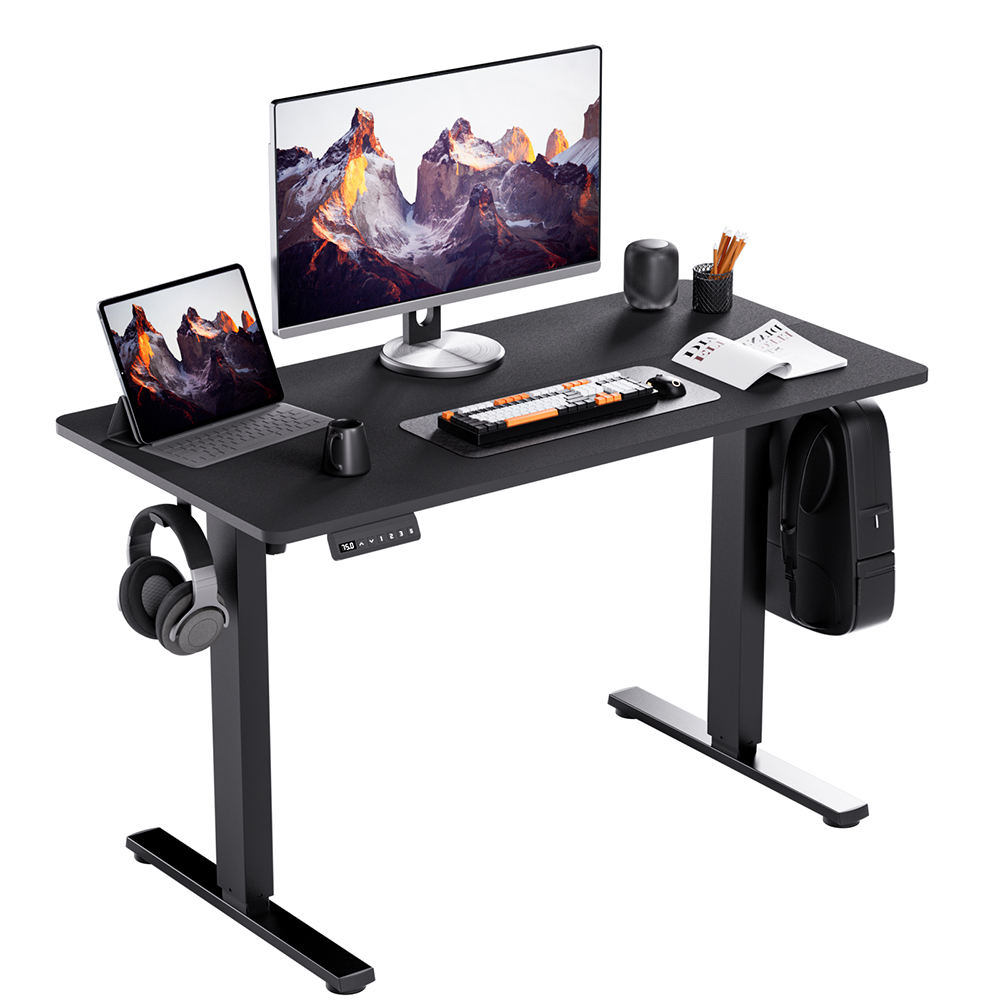
The Physiology of Static Sitting and Why Alternation Matters
Metabolic and neuromuscular costs of prolonged sitting
When we sit for too long, our bodies start reacting in ways most people don't realize. Research shows that after just 90 minutes without moving around, our metabolism slows down almost like when we're sleeping, burning 15 to 20% fewer calories than if we were standing. This slowdown affects how our body handles sugar and fats, which can lead to all sorts of metabolic issues over time. Sitting still also messes with our muscles and nerves. The muscles in our hips and lower back get tight and stiff, while the muscles that support our core actually get weaker. This imbalance puts extra pressure on our spinal discs and explains why so many people suffer from persistent lower back pain. Workplace studies have found something interesting too: office employees who remain seated for over four hours straight tend to feel significantly more tired in their muscles compared to colleagues who take short breaks to stretch or walk around during the day.
How intentional sit-stand transitions improve circulation, muscle activation, and cognitive alertness
Switching between sitting and standing at an adjustable height desk helps fight against the bad effects of sitting all day in three main ways. When someone stands up, their heart rate goes up around 10 to 12 beats per minute according to some studies. This gets blood flowing better throughout the body and cuts down on blood pooling in the legs by nearly a third. Standing also wakes up muscles that have been inactive while sitting, especially those big ones in the butt, thighs, and lower legs. This not only burns more calories but helps keep the spine aligned properly through better body awareness. The act of standing actually triggers something called neurovascular coupling which boosts blood flow to the brain by about 15% pretty quickly after standing. All these physical changes lead to real mental improvements too. People who regularly switch positions during work tend to react faster to things they need to pay attention to, showing about a 14% improvement in response time. They also find it easier to stay focused throughout their workday rather than getting distracted so easily.
Evidence-Based Reduction of Prolonged Sitting Risks with a Height Adjustable Table
WHO 2023 findings: Sedentary time >6 hours/day increases lower back pain risk by 17%
According to the World Health Organization's latest guidelines from 2023, sitting around for more than six hours each day counts as a major risk factor when it comes to problems with our muscles and bones. People who sit too much are actually 17% more likely to experience lower back pain issues. Why? Well, when we stay seated for long periods, our discs get compressed and the tissues along our spine take on extra pressure passively. That's where adjustable height tables come into play. These aren't magic solutions that stop us from sitting altogether, but they do help us mix things up. Standing for short periods breaks up the constant pressure on our spines, helps keep those discs hydrated, and keeps our muscles active instead of just hanging around idle. This kind of movement variation matches exactly what ergonomists have been telling us for years about changing positions roughly every half hour to keep our backs working properly over time.
Validated micro-transition protocols (e.g., 25:5 sit-stand ratio) for sustained habit formation
Short bursts of movement throughout the day beat those long periods of standing around any day when it comes to sticking with the routine and actually getting health benefits. Research shows that following a simple pattern like sitting for 25 minutes then standing for 5 gives workers about 30-35% better results over time compared to other approaches. This kind of schedule works well because it fits right into normal work flows without disrupting tasks too much. People who try this notice better blood flow, their posture muscles get activated, and they don't feel as tired or resistant to moving around. With an adjustable desk in place, these habits stick around longer. Workers start to get used to switching positions naturally, so the whole process feels easier on the body. Studies indicate people report feeling 20 something percent less fatigued while still keeping up their work output levels.
Integrating the Height Adjustable Table into Daily Routine for Long-Term Habit Change
Getting a height adjustable desk to work well in everyday life really depends on how we design our habits rather than just relying on willpower alone. Start small with those tiny shifts between sitting and standing. Maybe try switching positions every 25 to 30 minutes at first, setting reminders through calendar notifications or tracking apps if needed. Link standing periods to regular activities like taking phone calls, looking over paperwork, or reading through email messages so it becomes part of what we do naturally. The goal is to slowly move toward spending roughly one out of four parts of each hour standing up. Most people find that after practicing consistently for around three to six weeks, these new habits start feeling second nature. Research shows this approach can cut down sitting time by almost two whole hours each day. Eventually, changing positions throughout the day becomes something automatic, turning that adjustable desk into much more than just office furniture but instead becoming essential equipment for maintaining good physical health and overall wellness over many years.
FAQ
Why is prolonged sitting harmful to the body?
Prolonged sitting slows down metabolism, affects sugar and fat handling, tightens muscles, and adds pressure to spinal discs, leading to lower back pain and fatigue.
How does alternating between sitting and standing benefit health?
Alternating positions increases heart rate, improves circulation, activates muscles, and enhances cognitive alertness, helping reduce the risks associated with prolonged sitting.
What is the recommended ratio for sit-stand transitions?
The recommended ratio is 25 minutes of sitting followed by 5 minutes of standing to maximize health benefits and habit formation.
How can I integrate a height adjustable table into my routine effectively?
Start by switching positions every 25 to 30 minutes using reminders and link standing periods to usual activities to make them natural and sustainable.